
Outdoor Seawater Pool Swimming: A 2026 Guide

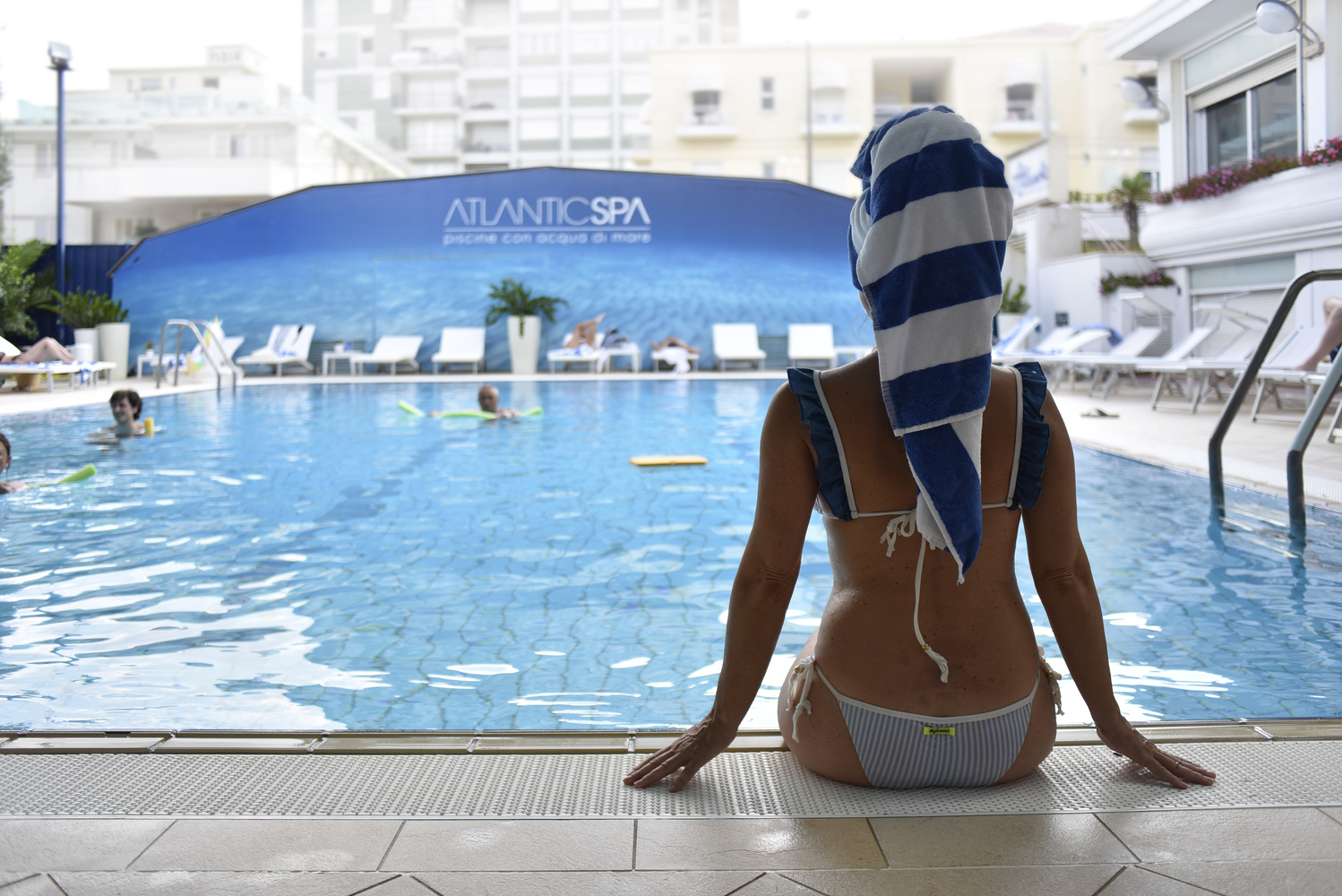
Swimming in an outdoor seawater pool is a rewarding experience for anyone looking for a wellbeing ritual that combines the qualities of salt water with the freedom of open air.
This guide explores the setting, water temperature and practical routines that can make a swim in seawater part of a restorative day.
At Atlantic Hotel Riccione, Atlantjde offers heated authentic seawater, allowing guests to enjoy the connection with the sea throughout the year. A swim can become more than exercise when it gives body and mind room to slow down.
Key takeaways: How to swim in an outdoor seawater pool in 2026
- Seawater naturally contains minerals and trace elements that contribute to muscle comfort and soft skin.
- For relaxed swimming, water between 28°C and 32°C is generally comfortable.
- Atlantjde at Atlantic Hotel Riccione uses heated seawater at 30°C and is available all year.
- Alternating active swimming with rest helps create a balanced session.
- Early morning and sunset can offer especially pleasant light and temperatures for an outdoor swim.
What makes a seawater pool different?
A seawater pool uses genuine salt water drawn from the sea, filtered and treated to maintain cleanliness and safety. Unlike a conventionally chlorinated pool, seawater retains natural minerals, including magnesium, potassium and sodium.
These elements are already present in seawater. Magnesium is often associated with muscle relaxation, potassium supports normal cellular function, and sodium contributes to fluid balance.
The water can feel gentler on the skin than a traditionally chlorinated pool.
Many swimmers find their eyes more comfortable after a longer swim.
Rinsing after swimming helps keep hair soft and easy to manage.
How the setting shapes the swimming experience
Swimming outdoors adds a sensory dimension that an indoor pool cannot reproduce. Natural light, moving air and the sounds of the surrounding environment create a fuller experience.
Morning light and gentle movement in the water can offer a calm way to begin the day. Outdoor swimming also calls for a few practical precautions: use sun protection during the central hours, drink regularly, and choose a time that suits both the air and water temperature.
The value of a seafront location
A seafront seawater pool, such as the one at Atlantic Hotel Riccione, lets you breathe the sea air while you swim. The coastal setting brings together salt water, open horizons and the natural rhythm of the shore.
The proximity of the sea also creates a distinctive microclimate. The air is refreshed by the breeze, while the view remains part of the experience from the pool.
Choosing the right water temperature for relaxation
Temperature is one of the most important elements in turning swimming into a wellbeing ritual. A few degrees can change both the sensation in the water and the way the body responds.
Heated seawater between 28°C and 30°C is well suited to longer swims, allowing the body to move comfortably while maintaining warmth. Higher temperatures, around 32°C to 34°C, are generally more suitable for quiet relaxation. Seawater hydromassage pools can reach 36°C to 37°C, creating a warm environment for resting tired muscles.
How the body responds to different temperatures
Warm water encourages peripheral vasodilation: blood vessels widen, circulation is supported and muscles can relax. Slightly cooler water, around 26°C to 28°C, feels more invigorating and is better suited to active swimming.
Your ideal temperature depends on your pace, the season and how long you plan to stay in the water. Let comfort guide your choice.
The benefits of swimming in seawater for the body
Water supports the body through buoyancy, reducing the perceived load on the joints and making broad, fluid movements more accessible. Hydrostatic pressure also creates a gentle, even pressure around the body during swimming.
Seawater contains mineral salts, while the act of swimming engages the whole body with low impact. Together, movement and buoyancy can make the pool a comfortable place for a measured workout or a lighter recovery session.
Care for skin and breathing
Salt water can leave the skin feeling smooth, particularly when followed by a fresh-water rinse and moisturiser. The sea air around a coastal pool also adds a familiar, clean sensation to every breath.
If you have a skin, respiratory or other health condition, seek personalised advice from a qualified healthcare professional before beginning a regular aquatic routine.
How seawater swimming can support a calmer mind
The rhythm of swimming brings attention to breathing and movement. Repeated strokes, the sound of water and the feeling of floating can create a natural pause from daily routines.
For many people, this is a form of mindful movement: the body has a simple task, the breath finds a steady pace, and the sea-facing setting makes space for a quieter kind of concentration.
The sense of wellbeing after a swim
Physical activity is often followed by a feeling of lightness and ease. In a heated seawater pool, the combination of movement, comfortable temperature and the coastal environment can make that feeling last beyond the time spent in the water.
Preparing for an outdoor seawater swim
Preparation begins before entering the pool. Drink water in the hours before swimming and avoid a heavy meal immediately beforehand. For outdoor swimming, apply water-resistant sun protection around 15 minutes before entering the water.
A short dry warm-up, with gentle circular movements of the shoulders and arms, prepares the muscles. Enter the water gradually so the body can adapt to its temperature.
Essential equipment for a seawater pool
Goggles protect the eyes during longer swims, and a silicone or fabric swim cap helps protect hair from prolonged contact with salt water. After swimming, rinse with fresh water to remove salt residue.
A bathrobe is particularly useful at an outdoor pool on cooler days or in the evening. Covering up soon after leaving the water helps you stay comfortable.
Rituals that turn swimming into a wellbeing experience
Regular swimming can become a simple daily ritual. Begin with a few quiet minutes of floating, allowing the body to settle into the water before moving into a more active phase.
Alternating steady strokes with short pauses creates a sustainable rhythm. Five minutes of swimming followed by two minutes of floating or resting is a practical starting point for guests who do not swim regularly.
Creating an aquatic wellbeing routine
A 30 to 45-minute session gives you time for a gentle warm-up, active swimming and a gradual cool-down. Finish with a few minutes in warmer seawater hydromassage pools if they are available to you.
A fresh-water shower afterwards removes salt from the skin and hair. Moisturiser can restore softness after time in the pool.
Choosing the best time to swim outdoors
The time of day changes the experience. Early morning offers softer light and fresh air, while late afternoon brings warmer colours and a gentler transition into the evening.
During the central hours, water may feel particularly pleasant, but sun protection becomes even more important. Choose the moment that lets you swim at a pace that feels comfortable.
Swimming through the seasons
Summer makes outdoor swimming feel natural and refreshing. In spring and autumn, the contrast between cooler air and heated water can be especially enjoyable.
Winter requires a pool designed for the season. Atlantjde at Atlantic Hotel has a glass cover that allows guests to swim in heated seawater during colder months while keeping the sea view and sense of open space.
How thalassotherapy complements swimming
Thalassotherapy uses seawater and elements of the coastal environment as part of a wellbeing experience. Swimming in a seawater pool is an active expression of this approach, combining movement with immersion in salt water.
A complete thalasso ritual may alternate pools at different temperatures, marine steam and moments of rest. Each stage gives the body a different sensation and helps set a slower pace for the day.
At Atlantic Thalasso Spa, the experience can include seawater at 36°C, hydromassage at a slightly lower temperature, a marine steam bath and Atlantjde at 30°C.
Combining swimming and spa treatments
A swim can prepare the body for the next part of a wellbeing day. Warm muscles often welcome a massage, while a fresh-water shower and a quiet pause help you move naturally from the pool to the spa.
You might begin with a morning swim, continue with a thalasso experience and end with a relaxing massage. The sequence can be adapted to the time you have and to how you feel that day.
Adapting swimming to your physical condition
Swimming is a low-impact activity, and the buoyancy of salt water can further reduce the load on joints. Backstroke may feel comfortable for people who want to keep their spine in a neutral position, while the fluid movement of water avoids the repeated impact of running.
People with cardiovascular conditions, altered blood pressure or specific medical concerns should speak with their doctor before starting regular water-based exercise.
Swimming as active recovery
For people who practise other sports, a light swim can be a measured active-recovery option. The water supports gentle movement while helping you maintain a regular rhythm between more demanding training sessions.
Experiencing a seawater pool during your hotel stay
Choosing a hotel with a seawater pool makes swimming part of the natural rhythm of your stay. Reaching the water from your room, perhaps in a bathrobe, can turn each day into a moment dedicated to wellbeing.
Atlantic Hotel Riccione gives guests access to the Atlantjde pool from 8 a.m. to 8 p.m., with adult-only times for added calm. Swimming becomes an easy part of the day rather than a separate commitment.
The seafront setting completes the experience. Looking towards the horizon, breathing the salt air and sensing the distant rhythm of the waves create a direct connection with the coast.
Services that complete the experience
A well-designed seawater pool area includes details that support a comfortable stay: loungers, soft towels and a bar for a light snack or an aperitif by the pool. These elements invite you to give the moment the time it deserves.
Spa treatments, wellbeing experiences and carefully prepared dining can complete the day, bringing together swimming, rest and taste.
Beginning your own aquatic wellbeing routine
Start by trying the experience without fixed expectations. A day in a seawater pool lets you understand how your body responds to salt water, which temperature feels right and how long you enjoy swimming.
Notice your sensations during and after the swim. A regular routine can then be built around your own pace, whether that means one session a week or a longer wellbeing break by the sea.
FAQs: How to swim in an outdoor seawater pool in 2026
What are the main benefits of swimming in seawater?
Swimming combines low-impact movement with the buoyancy and mineral content of salt water. At Atlantic Hotel Riccione, Atlantjde uses heated authentic seawater at 30°C, allowing guests to enjoy the pool throughout the year.
What is the ideal temperature for a seawater pool?
For active swimming, water between 28°C and 30°C is usually comfortable. For passive relaxation, temperatures from 32°C to 36°C are often preferred. Different pool temperatures allow you to choose the sensation that best suits your day.
Can you swim in a seawater pool in winter?
Yes. Atlantjde at Atlantic Hotel has a glass cover that allows guests to swim in heated seawater during colder months. Winter Beach, with heated sand, adds another seasonal experience.
Is seawater swimming suitable for everyone?
Swimming is generally low impact, but individual health needs vary. If you have a cardiovascular condition, altered blood pressure or another medical concern, consult your doctor before beginning regular swimming.
How long should I swim for?
A 30 to 45-minute session is a practical duration for many swimmers, including a warm-up, active swimming and a gentle cool-down. Choose the pace and duration that feel right for you.
How does a seawater pool differ from a chlorinated pool?
Seawater contains naturally occurring minerals such as magnesium, potassium and sodium. At Atlantic, genuine seawater is drawn, purified and heated to maintain quality and safety.